A Traveller’s Guide to India’s Tropical and Himalayan Escapes
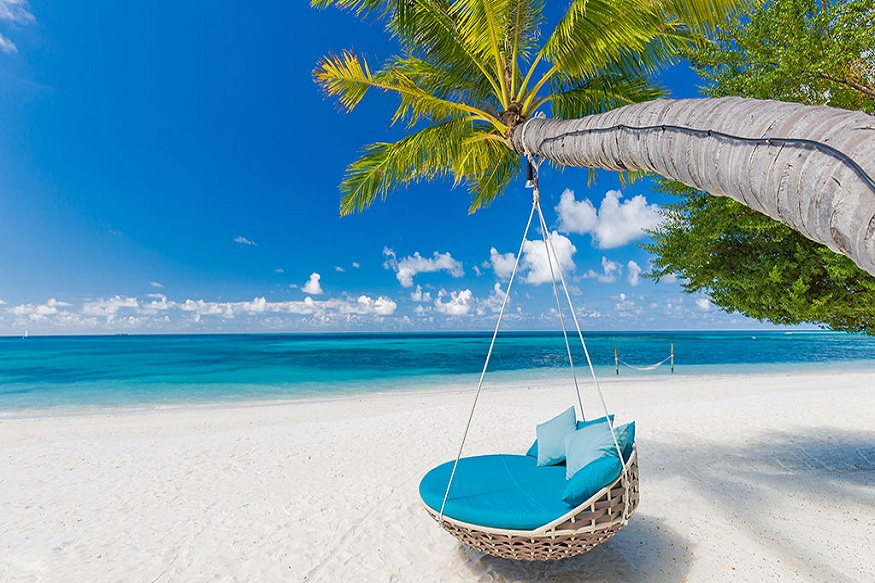
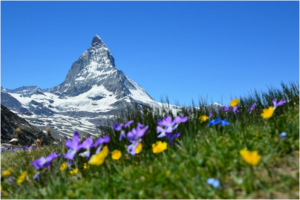
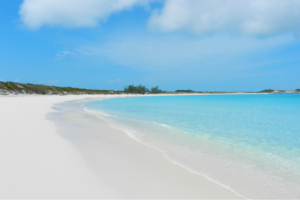
India offers an extraordinary variety of natural landscapes. Travellers can move from palm-lined beaches and peaceful backwaters to green waterfalls, alpine valleys, mountain lakes, and snow-covered Himalayan peaks.
The country’s tropical destinations are known for warm weather, forests, plantations, rivers, and coastlines. Its Himalayan regions offer cool air, pine forests, high passes, monasteries, lakes, and remote villages. Both sides provide memorable holidays, but they require different planning.
Travellers comparing Meghalaya Holiday packages may be looking for waterfalls, caves, rivers, and green hills. Others may prefer Kerala’s backwaters, Kashmir’s lakes, Himachal’s valleys, or Ladakh’s open mountain landscapes.
This guide explores India’s leading tropical and Himalayan escapes and explains how to choose the right destination according to the season, budget, available days, and travel style.
Understanding Tropical and Himalayan Holidays
Tropical destinations usually offer warm weather, thick greenery, beaches, plantations, backwaters, waterfalls, and village scenery. They are suitable for families, couples, nature lovers, and travellers who prefer gentle outdoor experiences.
Himalayan destinations provide mountain roads, high-altitude lakes, forests, valleys, snow, and trekking routes. They suit photographers, couples, adventure seekers, and travellers who enjoy cool weather.
The main differences include:
| Travel Factor | Tropical Escapes | Himalayan Escapes |
|---|---|---|
| Main scenery | Beaches, forests, rivers and plantations | Peaks, valleys, lakes and pine forests |
| Weather | Warm, humid or rainy | Cool, cold or snowy |
| Popular activities | Boating, beach walks and plantation visits | Trekking, road trips and snow activities |
| Common concerns | Humidity, rain and ferry delays | Altitude, cold and road conditions |
| Suggested duration | 4–7 days | 5–9 days |
Meghalaya: Waterfalls, Rivers, and Green Hills
Meghalaya offers one of India’s most refreshing tropical hill experiences. It is known for waterfalls, clear rivers, caves, forest trails, and quiet villages.
Shillong
Shillong is the main base for exploring Meghalaya. It offers hotels, cafés, markets, viewpoints, and road connections to nearby destinations.
Travellers who want a quieter stay can choose accommodation outside the busiest market areas. This can reduce traffic delays and provide a more peaceful atmosphere.
Cherrapunji
Cherrapunji is surrounded by waterfalls, limestone caves, forest paths, and deep valleys. During the monsoon, the region becomes especially green, and the waterfalls appear at their strongest.
Read More: 10 destinations for a vacation with friends
Travellers can explore selected caves, visit scenic viewpoints, and experience the living root bridges. Some routes involve a large number of steps, so fitness and weather should be considered.
Dawki, Shnongpdeng, and Mawlynnong
Dawki is famous for boating on the Umngot River. Water clarity depends on rainfall and current river conditions.
Shnongpdeng provides a quieter riverside setting, while Mawlynnong is suitable for village walks and light nature experiences.
Five to six days are suitable for Shillong, Cherrapunji, Dawki, and nearby areas.
Kerala: Tea Gardens, Forests, and Backwaters
Kerala represents the peaceful tropical side of India. It combines tea hills, spice plantations, forests, beaches, waterways, and traditional village landscapes.
Munnar
Munnar is surrounded by tea estates, misty valleys, waterfalls, and winding roads. Visitors can enjoy plantation walks, viewpoints, tea-related experiences, and quiet hill resorts.
Two nights are generally suitable for exploring Munnar without rushing.
Thekkady
Thekkady offers spice gardens, forest surroundings, the Periyar Lake area, and local cultural experiences.
Travellers can visit a spice plantation, explore the local market, enjoy traditional performances, and spend time in peaceful natural surroundings.
Alleppey and Kumarakom
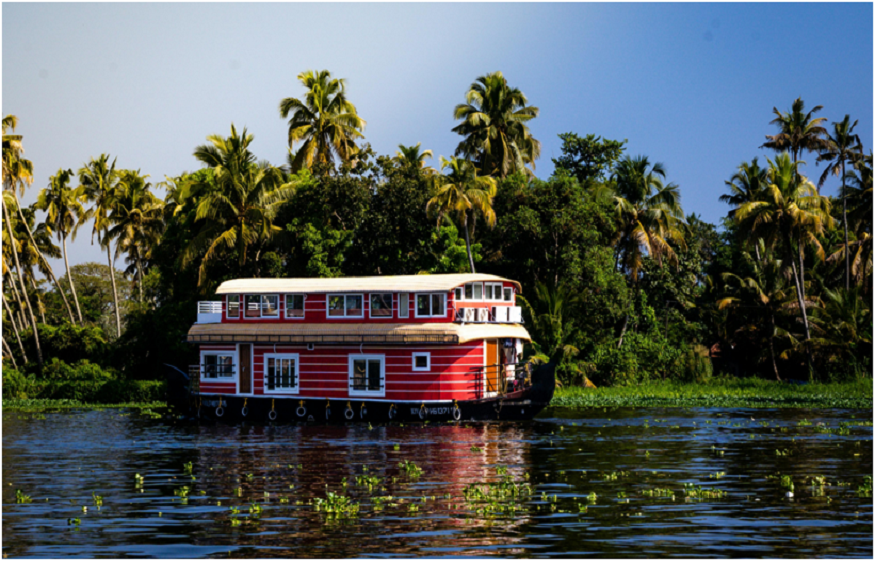
Alleppey and Kumarakom are known for backwaters, lakeside resorts, canals, coconut trees, and houseboat journeys.
Travellers reviewing Kerala vacation packages can select a route covering Kochi, Munnar, Thekkady, and Alleppey. Five to seven days are suitable for this regional journey.
Before booking a houseboat, confirm whether it is private or shared. Check the room type, meals, cruising hours, boarding point, and air-conditioning schedule.
Goa and Gokarna: Beaches and Coastal Relaxation
Goa offers beaches, cafés, markets, coastal food, nightlife, and heritage areas. North Goa is generally more active, while South Goa provides quieter beaches and resort stays.
Gokarna offers a slower coastal experience with smaller beaches, walking routes, temples, and simple accommodation.
Read More; When to Go: The Best Time to Visit Costa
October to March generally offers comfortable beach weather. During the monsoon, the surroundings become greener, but rough sea conditions may affect swimming and water activities.
Three to five days are suitable for either destination.
Andaman Islands: Clear Water and Tropical Beaches
The Andaman Islands offer tropical forests, coral areas, boat journeys, and peaceful beaches.
Port Blair is the main arrival point. Havelock Island is popular for beaches and water activities, while Neil Island offers a quieter atmosphere.
Ferry timings may change because of weather or sea conditions. Keep enough time between flights and ferry transfers. Water activities should be booked through authorised operators with proper safety equipment.
Five to six days are suitable for Port Blair, Havelock Island, and Neil Island.
Coorg and Wayanad: Plantation Retreats
Coorg and Wayanad are peaceful destinations in the Western Ghats.
Coorg is known for coffee estates, forest-covered valleys, waterfalls, and homestays. Travellers can enjoy plantation walks, local food, and quiet country roads.
Wayanad offers forests, lakes, dams, waterfalls, and plantation resorts. It suits families, couples, and travellers who want a relaxing break surrounded by greenery.
Two to four days are suitable for either destination. The monsoon brings deeper greenery, while the months after the rain usually offer easier outdoor travel.
Kashmir: Lakes, Meadows, and Snowy Mountains
Kashmir presents a gentle and scenic Himalayan experience. It offers lakes, gardens, rivers, meadows, forests, and high mountain views.
Srinagar
Srinagar is known for Dal Lake, traditional houseboats, gardens, shikara rides, and local markets.
Gulmarg
Gulmarg offers open meadows, pine-covered slopes, mountain scenery, and seasonal snow. It is popular with couples, families, and winter travellers.
Pahalgam
Pahalgam is surrounded by rivers, forests, and peaceful mountain valleys. It works well for short walks, photography, and relaxed stays.
Spring is suitable for flowers, summer for sightseeing, autumn for clear views, and winter for snow. Five to seven days are ideal for Srinagar with two nearby destinations.
Himachal Pradesh: Valleys, Forests, and Mountain Towns
Himachal Pradesh offers different experiences for every type of mountain traveller.
Manali provides river views, cafés, mountain scenery, and outdoor activities. Dharamshala combines green hills with Tibetan culture. Dalhousie offers wooded surroundings and peaceful walking routes.
Tirthan Valley suits travellers who want riverside stays, village walks, and forest scenery. Spiti Valley offers remote monasteries and dramatic high-altitude landscapes, but it requires more time and careful planning.
Avoid combining distant regions of Himachal in a short trip. Five to seven days are better spent exploring one main area.
Uttarakhand: Lakes, Rivers, and Mountain Trails
Uttarakhand offers lakes, forests, rivers, hill towns, spiritual destinations, and trekking routes.
Nainital is known for its central lake and surrounding hills. Bhimtal, Sattal, and Naukuchiatal provide quieter alternatives.
Chopta offers forests, meadows, and mountain trails, while Auli is known for Himalayan views and seasonal snow. Rishikesh combines river scenery, yoga, cafés, and rafting.
The ideal season depends on the selected destination. Check road, trail, and weather conditions before visiting higher regions.
Sikkim: Monasteries, Lakes, and Himalayan Roads
Sikkim combines mountain views, monasteries, waterfalls, forests, and high-altitude lakes.
Gangtok is the main base and offers cafés, markets, viewpoints, and monasteries. Tsomgo Lake is a popular attraction, though access depends on permits and weather.
Pelling provides waterfalls and mountain views. Lachung and Yumthang Valley offer rivers, forests, seasonal flowers, and remote scenery.
North Sikkim involves long road journeys. Travellers should include enough rest and avoid a packed schedule.
Five to seven days are suitable for Gangtok with either Pelling or North Sikkim.
Ladakh: High Passes and Remote Landscapes
Ladakh offers rocky mountains, open valleys, monasteries, high passes, and remote lakes.
Leh is the main starting point. Travellers should rest after arrival to adjust to the altitude before taking long road journeys.
Nubra Valley provides wide landscapes and small villages, while Pangong Lake offers dramatic high-altitude scenery.
Permits may be required for selected routes. Seven to nine days are suitable for the main Ladakh journey. Travellers with health concerns should seek medical advice before visiting high-altitude areas.
Choose the Right Escape for Your Travel Style
Families may prefer Kerala, Kashmir, Nainital, or selected parts of Meghalaya because these destinations offer comfortable hotels and varied sightseeing.
Couples can choose Munnar, Kashmir, Sikkim, the Andaman Islands, or quieter coastal areas.
Adventure travellers may prefer Ladakh, Spiti Valley, Rishikesh, North Sikkim, or Meghalaya’s trekking routes.
Travellers looking for rest can choose Kumarakom, Coorg, Wayanad, Tirthan Valley, or South Goa.
Best Time for Tropical and Himalayan Travel
October to February
This period is suitable for Kerala, Goa, Coorg, Wayanad, and the Andaman Islands. Many lower Himalayan destinations are also comfortable, while higher regions may receive snow.
March to May
Spring and early summer are suitable for Kashmir, Sikkim, Himachal Pradesh, and Uttarakhand.
June to September
The monsoon brings powerful waterfalls and rich greenery to Meghalaya, Kerala, Coorg, and Wayanad.
Heavy rain may affect roads, trekking, boating, and sightseeing. Some high-altitude routes become accessible during summer, but current conditions should be checked.
Practical Planning Tips
- Choose fewer destinations and spend more time at each place.
- Check weather and road conditions before departure.
- Review permits for protected mountain areas.
- Keep enough time between flights, ferries, and road transfers.
- Choose hotels according to location and road access.
- Keep arrival and departure days light.
- Use authorised operators for adventure activities.
- Carry suitable clothes, medicines, and identification.
- Avoid difficult treks without proper fitness.
- Respect local communities and natural surroundings.
Common Mistakes to Avoid
Travellers often add too many destinations to one trip. Frequent hotel changes and long road journeys leave less time to enjoy the surroundings.
Other common mistakes include ignoring weather, booking hotels far from attractions, forgetting permits, underestimating mountain travel, and choosing unverified activity operators.
Build the itinerary according to your own available time, health, budget, and interests.
Frequently Asked Questions
Which is better: a tropical or Himalayan holiday?
A tropical holiday is better for beaches, backwaters, plantations, and warmer weather. A Himalayan holiday suits travellers who prefer mountains, forests, cool weather, and scenic drives.
How many days are enough for Kerala?
Five to seven days are suitable for a route covering Munnar, Thekkady, Alleppey, and Kochi.
How many days are required for Meghalaya?
Five to six days are suitable for Shillong, Cherrapunji, Dawki, and nearby villages.
Which destinations are suitable for families?
Kerala, Kashmir, Nainital, Meghalaya, Coorg, and selected Himachal routes can suit families when transfers are planned carefully.
Which places are best for couples?
Munnar, Kashmir, Sikkim, the Andaman Islands, South Goa, and Coorg offer scenic and peaceful stays.
Do Himalayan destinations require permits?
Some protected areas in Sikkim, Ladakh, and other border regions may require permits and registered vehicles.
Which destinations are best during the monsoon?
Meghalaya, Kerala, Coorg, and Wayanad become especially green during the monsoon. Heavy rainfall may affect travel, so local conditions should be checked.
Conclusion
India’s tropical and Himalayan regions offer two very different travel experiences. Meghalaya, Kerala, Goa, Coorg, Wayanad, and the Andaman Islands provide waterfalls, beaches, backwaters, forests, and plantations.
Kashmir, Himachal Pradesh, Uttarakhand, Sikkim, and Ladakh offer lakes, valleys, mountain roads, monasteries, forests, and seasonal snow.
Choose the destination according to the season, available days, budget, fitness, and travel comfort. Explore fewer nearby places, leave enough time for rest, and confirm weather, permits, and transport before departure. A carefully planned journey can help you enjoy India’s natural diversity without making the holiday feel rushed.







Post Comment
You must be logged in to post a comment.