Cool-Climate Summer Destinations in Europe
In recent years, European summers have become increasingly associated with prolonged heatwaves, crowded coastlines, and overstretched urban infrastructures. As a result, a growing number of travelers are seeking destinations where the climate remains temperate even during the warmest months. These locations, often situated at higher altitudes or in northern latitudes, offer not only thermal comfort but also distinctive landscapes, cultural depth, and opportunities for outdoor activity. For the informed traveler, the choice of a cool-climate summer destination represents more than a reaction to rising temperatures; it reflects a broader interest in slower travel, environmental awareness, and experiential tourism.
Cooler regions allow visitors to engage with natural environments in ways that become difficult in hotter climates. Hiking, cycling, and exploring historical settlements are far more enjoyable when daytime temperatures remain moderate and nights retain a refreshing chill. Moreover, these destinations often escape the intense seasonal congestion typical of Mediterranean beach resorts. From the alpine valleys of Italy and Switzerland to the rugged fjords of Scandinavia, Europe offers a wide range of places where summer unfolds with a quieter rhythm.
The Alpine Refuge: High-Altitude Destinations
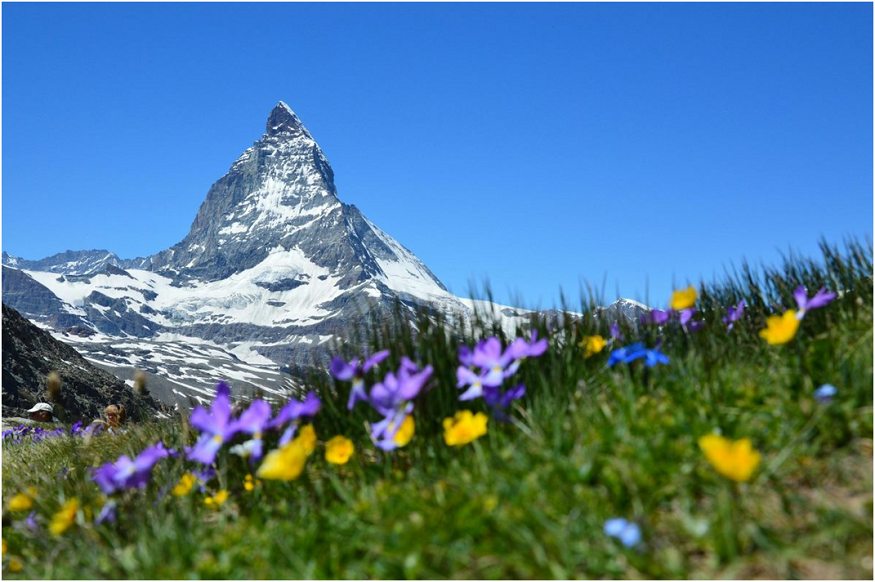
Mountain environments have long served as refuges from summer heat, a tradition dating back to the nineteenth-century culture of alpine retreats. Today, destinations such as Zermatt in Switzerland, Chamonix in France, and the Dolomite valleys in northern Italy continue to attract travelers seeking crisp air, dramatic scenery, and extensive trail networks.
High-altitude resorts benefit from a natural climatic advantage: temperatures typically remain several degrees lower than in surrounding lowlands. This environment supports a wide spectrum of activities, from glacier hiking and mountaineering to botanical exploration and scenic rail travel. The Alps also possess a sophisticated hospitality infrastructure developed over generations of mountain tourism.
Read More: Engine Repair vs. Maintenance: The Critical
Within this context, certain locations combine alpine coolness with refined accommodation experiences. For example, travelers exploring the Italian Alps may include a stay in Cervinia as part of a broader itinerary through the Aosta Valley, where the high elevation beneath the Matterhorn ensures mild summer days while providing immediate access to panoramic hiking routes, cable-car viewpoints, and glacial landscapes.
Northern Europe: The Latitude Advantage
Beyond mountainous terrain, latitude itself offers a natural cooling effect. Northern Europe provides some of the continent’s most comfortable summer climates, characterized by long daylight hours, moderate temperatures, and relatively low humidity. Countries such as Norway, Sweden, and Finland experience summer averages that rarely reach the intense heat found farther south.
Norway’s fjord regions, including areas around Geirangerfjord and Hardangerfjord, illustrate the appeal of this climatic balance. Visitors encounter towering cliffs, waterfalls fed by melting snowfields, and small coastal communities shaped by centuries of maritime culture. The cool air enhances outdoor exploration, whether through kayaking in narrow fjords or hiking along elevated ridge trails.
Similarly, Iceland has emerged as a prominent summer destination for travelers interested in volcanic landscapes, geothermal phenomena, and vast open spaces. Temperatures remain mild throughout the season, while the phenomenon of the midnight sun extends daylight hours well into the night, enabling exploration at an unhurried pace.
The Scottish Highlands and Atlantic Europe
Another important cool-climate region lies along the Atlantic fringe of Europe. The Scottish Highlands, Ireland’s western coast, and parts of northern Spain benefit from maritime influences that moderate summer heat. Oceanic weather patterns bring frequent breezes, intermittent cloud cover, and lush green landscapes maintained by regular rainfall.
The Scottish Highlands, in particular, provide a striking combination of climatic comfort and cultural depth. Historic castles, remote glens, and expansive moorlands create an atmosphere of quiet remoteness rarely found in more densely visited European regions. Outdoor pursuits such as hill walking, wildlife observation, and scenic rail journeys allow visitors to experience these landscapes in a contemplative manner.
Ireland’s Atlantic coast offers similar advantages. The Wild Atlantic Way, stretching along the country’s western shoreline, passes through coastal cliffs, traditional fishing villages, and archaeological sites that span millennia. Summer temperatures typically remain moderate, making extended drives and coastal hikes both practical and enjoyable.
Read More: Eco-Friendly Stays in Heredia: How to Travel
Rethinking Summer Travel in a Changing Climate
The growing popularity of cooler European destinations reflects broader shifts in travel behavior. As climate variability intensifies across the continent, travelers increasingly prioritize comfort, sustainability, and authenticity over traditional beach-centered itineraries. Cooler regions also tend to distribute tourism more evenly across landscapes that have historically experienced lower visitor pressure.
From alpine valleys and glacial peaks to fjord-lined coastlines and Atlantic highlands, Europe’s cool-climate destinations offer an alternative vision of summer travel. Rather than escaping into artificially cooled environments, visitors can engage directly with landscapes where natural conditions remain pleasant and conducive to exploration. These settings demonstrate that the European summer experience is not defined solely by heat and crowded shores, but also by fresh air, expansive scenery, and a quieter pace of discovery.








Post Comment
You must be logged in to post a comment.