Climb and Trek the Himalayas: Island, Lobuche, Mera & EBC
The Himalayas are the dreamland for trekkers and climbers. Snow, ice, sky, and mountain, all mixed in one. Every year people from many countries come here; they want to climb peaks, they want to walk trails, and they want to feel the big Himalayas. Nepal gives them many choices. Island Peak, Lobuche Peak, Mera Peak, and also the famous Everest Base Camp Trek. These all are different adventures, but all give the same thing. Memory forever.
Island Peak Climbing
Island Peak is a small peak, but it looks big. It is 6189 meters high, and from afar it looks like an island in the sea of ice, so the name is Island Peak. Locals call it Imja Tse. Many trekkers choose this as their first climb because it is not too technical but still challenging.
On the way to Island Peak, you pass through the Everest trail. Lukla to Namche to Tengboche. Then you go to Chhukung Valley. The base camp is cold, and the wind blows. From there, the summit push starts early at night. Snow, ice slope, fixed rope. When the sun rises, you climb higher, and crampons bite ice. Then you stand on top. You see Lhotse, Ama Dablam, Makalu, and also Everest. The view is so big, it might make you cry.
The Island Peak Climbing gives experience of real mountaineering. You learn about rope, crampons, harnesses, and ice axes. It is a good step for a bigger mountain later.
Lobuche Peak Climbing
Lobuche Peak is near Everest too. It has two summits, East and West. Most climbers go to Lobuche East because the West is harder. Height is 6119 meters. The trail goes with the Everest trek to Lobuche village, then climbs up to high camp.
The Lobuche Peak Climbing is a mix of rock and ice. Not too easy. But when you stand on the summit, the panorama of the Everest region opens. Everest, Nuptse, Pumori, and Ama Dablam are all around. It is like a mountain theater.
Many climbers combine Lobuche Peak with the Everest Base Camp trek. They do both, one after the other. The Lobuche climb gives a tough test, and it makes your heart strong. Not as crowded as Island Peak, so it feels more wild.
Mera Peak Climbing
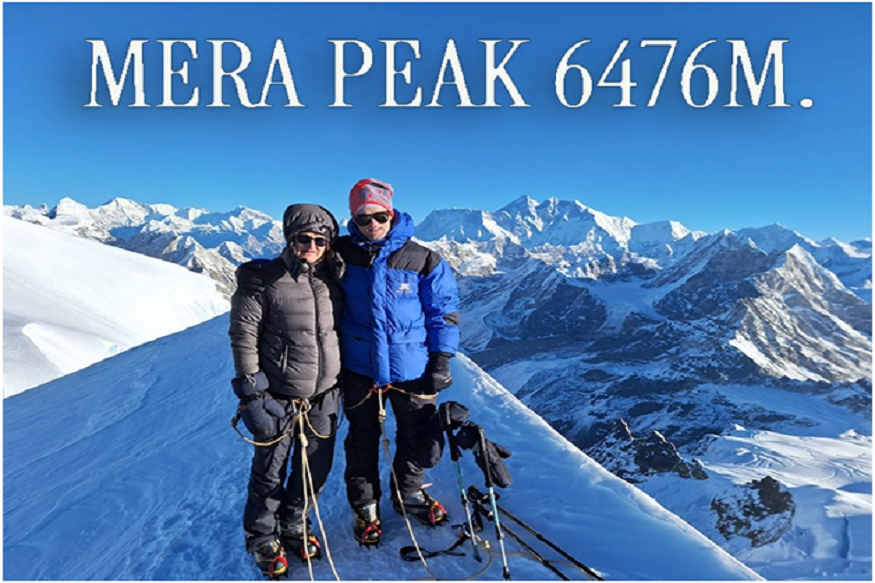
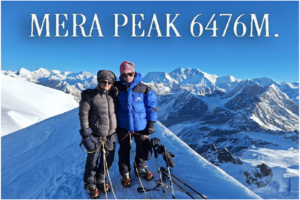
Mera Peak is the tallest trekking peak of Nepal. 6476 meters. It stands in the Makalu Barun region, southeast of Everest. Climbing is long. Approaches take many days through remote valleys. The trail crosses forest, river, pasture, and small village. Fewer people here.
The Mera Peak Climbing is not too technical, but altitude is a big challenge. Summit day is long, from high camp to top, maybe 7-9 hours. The air is thin, and the step is heavy. But the reward is a dream. From the summit you can see five 8000-meter giants: Everest, Kanchenjunga, Lhotse, Makalu, and Cho Oyu. No other trekking peak gives such a view.
Mera Peak is best for those who want high-altitude experience but not too technical. Still, you need stamina and good preparation.
Everest Base Camp Trek
The Everest Base Camp Trek is legendary. Everybody hears names. The trail is world famous. From Lukla you start, then Phakding, Namche, Tengboche, Dingboche, Lobuche, Gorakshep, and finally base camp. It takes around 12-14 days.
The trail is beautiful. Sherpa village, Buddhist monastery, suspension bridge, glacier river. Namche Bazaar is a big market in the mountains. Tengboche Monastery is a holy place. Kalapatthar gives a sunrise view of Everest. And when you reach Everest Base Camp, you see Khumbu Icefall, a tent of climbers, and the sound of cracking ice. You feel proud.
It is not peak climbing, but it is a hard trek. High altitude tests your body. But it is a dream for many people.
Why Choose These Adventures?
Island Peak, Lobuche Peak, Mera Peak, and EBC. Why choose? Because they are the gateway to the Himalayas. They give you a test of high altitude, a test of culture, and a test of yourself. Each is different, but all connect. Island for practice, Lobuche for technical, Mera for altitude, and EBC for experience. Together they make a package of a lifetime.
Best Season for Climbing and Trekking
The best time is autumn (September to November). Sky clear, weather stable, mountain sharp. Spring (March to May) is also good, with flower blooms and warmer days. Winter is too cold and snow-heavy. Summer monsoon is rainy and cloudy. So most climbers and trekkers come in autumn and spring.
Permits and Rules
For climbing peaks, you need a permit. Island, Lobuche, and Mera all require climbing permits from the Nepal Mountaineering Association. Fees depend on the season. Also need a Sagarmatha National Park or Makalu Barun permit. The Everest Base Camp Trek needs a TIMS card and National Park entry. A guide is recommended; a porter is helpful.
Training and Preparation
Climbing is not simple. I need training. You must have stamina, a good leg, and a strong lung. Running, hiking, and gym help. Learn to use crampons, ropes, and harnesses. High altitude is dangerous, so acclimatization is important. Trek slowly, rest day. Eat well, drink water, and listen to guides.
Culture on Trial
Sherpa people live in this region. They are kind, strong, and smiling. Their house is simple, but their heart is big. You see a monastery, a prayer wheel, and a prayer flag. Lama bless you. Culture mixes with nature. When you walk a trail, you feel the spirit of the mountain and people together.
Food and Stay on Trek
You stay in a teahouse on a trek or in a tent on a climb. The food is dal bhat, noodles, momo, soup, and bread. In high camp, food is simple, maybe noodles or rice. Tea houses are warm with a stove; climbers sit together, talk stories, and share laughs. Night is cold, but my heart is hot.
Challenge and Risk
Altitude sickness is the main risk. Above 5000 meters, the air is thin. Some people have headaches and nausea and cannot sleep. Must go down if serious. Weather is also risky. Snowstorm, wind, sudden change. Technical risks in climbing: fall, slip, ice crack. So I need a guide, gear, and training.
Cost of Adventure
Cost depends. The Everest Base Camp Trek is maybe 1200 to 1800 USD with a guide, porter, and permit. Island Peak adds a climbing permit, gear, and a guide, totaling maybe 2500 USD. Lobuche Peak is similar. Mera Peak is a little more remote, around 3000 USD. Flights to Lukla also cost money. But for a dream adventure, the cost is worth it.
Comparison of Island, Lobuche, and Mera
Island Peak is popular with many climbers; it is easier technically and at a lower altitude.
Lobuche Peak is harder technically, less crowded, and of a similar height.
Mera Peak is the highest, mostly non-technical, but very long, remote, and high altitude.
All give different tastes. If you want to climb first, choose Island. If you want to be more technical, Lobuche. If you want high-altitude experience, Mera.
Emotional Side of Trekking and Climbing
Climbing and trekking in the Himalayas is not only physical, it is emotional. You walk day by day, you feel tired, but mountains give you power. You see the sunrise, and you forget the pain. You reach the summit; maybe you cry. You meet people from around the world, you share stories, and you make friends. In the end, you know you are a different person. Stronger, humble, thankful.
Tips for Success
Walk slowly; don’t rush. Drink a lot of water. Eat well. Sleep early. Listen, guide. Respect mountains. Carry less weight. Train before. Be positive. The mountain is not the enemy; it is the teacher.
Conclusion
The Himalayas is a place of dreams. Island Peak, Lobuche Peak, Mera Peak, and Everest Base Camp. These adventures are a path to discover yourself. Hard, yes. Cold, yes. But also beautiful, magical, and unforgettable. Once you walk here, once you climb here, your heart never stays the same again.
Contact Details
Company address: Everest Trekking Routes Pvt. Ltd.
16 Khumbu, Nayabazaar, Kathmandu, Nepal
Mobile : +977-9843467921 (Rabin)
Email: [email protected]

Post Comment
You must be logged in to post a comment.